


 Multi-Vendor & Complex SaaS Marketplaces
 Modern Headless & Jamstack Web Development
 High-End Corporate & Specialized Business Websites
 Advanced API, Checkout & Database Troubleshooting
Install CyberPanel LiteSpeed on DigitalOcean for WooCommerce
Deploy CyberPanel with LiteSpeed on a DigitalOcean droplet for fast WooCommerce stores serving Richmond, VIC. Practical install steps, real CLI fixes for common failures, and when to book Fixwebnode remotely.
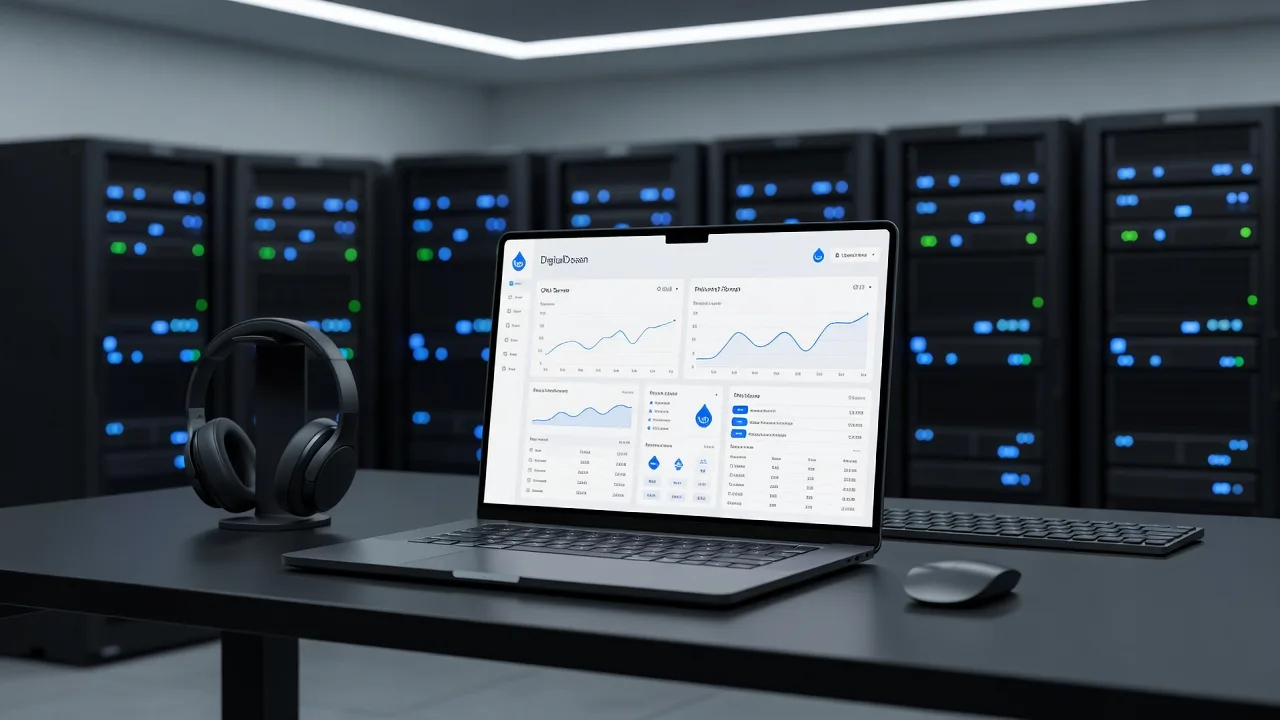
If you run a WooCommerce store from Richmond, VIC and need a clean CyberPanel + LiteSpeed stack on DigitalOcean, this guide walks you through a production-ready remote deploy—and the failures that usually stop store owners mid-install.
Slow shared hosting, weak PHP handlers, and missing HTTP/2 or cache layers hurt checkout speed. CyberPanel with OpenLiteSpeed (or LiteSpeed Enterprise) on a DigitalOcean droplet gives you LSCache, tuned PHP LSAPI, and a full control panel without managing raw Nginx configs by hand. Fixwebnode is a direct specialist provider for this exact stack: we help Richmond and wider Australian store owners install, harden, and stabilise CyberPanel remotely. Start here or book via the CyberPanel / LiteSpeed on DigitalOcean landing page when you want hands-on help.
Assumptions: a fresh DigitalOcean droplet (Ubuntu 22.04 LTS recommended, 2 GB RAM minimum for WooCommerce, 4 GB preferred), root or sudo access over SSH, and a domain DNS A record pointed at the droplet before SSL steps.
Why CyberPanel and LiteSpeed matter for WooCommerce on DigitalOcean
WooCommerce is PHP-heavy: product pages, cart fragments, and checkout hit the server hard. OpenLiteSpeed’s LSAPI and LSCache cut TTFB compared with default Apache or untuned Nginx + PHP-FPM. CyberPanel wraps that stack with one-click WordPress, SSL, backups, and email options so small businesses can manage sites without living in the terminal. For Richmond retailers selling online, a correctly sized Sydney or Singapore region droplet plus LiteSpeed caching is a practical path to better Core Web Vitals without overbuilding infrastructure.
The rest of this post stays on install and recovery: what breaks, how to diagnose it yourself, and when remote specialist work is safer than guessing.
Why does CyberPanel install hang or leave LiteSpeed offline on DigitalOcean?
Most failed CyberPanel deploys on DigitalOcean come from undersized droplets, blocked installer ports, or incomplete LiteSpeed service start—not “bad luck.” Check free memory and disk first, confirm ports 8090 and 7080 are reachable, then re-run or repair the official installer rather than mixing manual package installs.
| Symptom | Quick check / fix | Call Fixwebnode when |
|---|---|---|
| Installer freezes or exits mid-way | free -h and resize to ≥2 GB; retry official script | Repeated OOM or half-installed packages |
| Panel URL times out (port 8090) | UFW/DO cloud firewall allow 8090, 80, 443, 7080 | Firewall and provider rules still block after opens |
| Site 503 / lsws not running | systemctl status lsws then safe restart | LSWS crashes loop or license/config errors |
Common issues when deploying CyberPanel with LiteSpeed for WooCommerce
These are distinct failure modes we see on fresh DigitalOcean droplets used for WooCommerce—not generic “internet is down” problems.
- Installer OOM or partial install on a 1 GB droplet — symptoms: SSH session dies during install,
cyberpanelcommand missing, mixed error lines about memory or killed processes. - CyberPanel UI unreachable after “successful” install — symptoms: browser hangs on
https://YOUR_IP:8090, curl to 8090 fails, while SSH still works. - OpenLiteSpeed running but WooCommerce returns 503 or blank PHP — symptoms: default vhost page or 503,
error.logshows LSAPI/PHP issues, WordPress not executing. - Let’s Encrypt fails for the shop domain — symptoms: SSL issue from panel, HTTP-01 challenge fail, site stays on HTTP or shows certificate errors at checkout.
Fix 1 — Installer runs out of memory or leaves a broken panel
CyberPanel’s installer compiles and pulls packages aggressively. A 1 GB droplet often gets the OOM killer. DIY only on a disposable droplet; snapshot first if anything important already exists.
Step 1 — Verify resources over SSH
free -h
df -h
cat /etc/os-release
You want Ubuntu 22.04 (or a CyberPanel-supported release), several GB free disk, and ideally 2 GB+ RAM. Swap helps but is not a substitute for RAM during install.
Step 2 — Add short-term swap if you must stay on 2 GB during peak compile
sudo fallocate -l 2G /swapfile
sudo chmod 600 /swapfile
sudo mkswap /swapfile
sudo swapon /swapfile
free -h
Step 3 — Run only the official installer as root
sudo su -
sh <(curl https://cyberpanel.net/install.sh || wget -O - https://cyberpanel.net/install.sh)
Choose OpenLiteSpeed unless you already hold a LiteSpeed Enterprise license. Note the admin password the installer prints.
Step 4 — Confirm services
systemctl status lsws --no-pager
systemctl status lscpd --no-pager
cyberpanel version
If the process was killed mid-way, resize the droplet in DigitalOcean (Power off → Resize → Power on), then reinstall on a clean image rather than stacking a second install over debris.
When to call Fixwebnode: package database is half-broken, cyberpanel CLI errors on every command, or you cannot risk wiping the droplet because other data already lives there.
Fix 2 — Port 8090 blocked (panel UI unreachable)
DigitalOcean cloud firewalls and UFW both bite new installs. SSH works; the panel does not.
Step 1 — Confirm LiteSpeed/panel listeners locally
ss -tulpn | grep -E '8090|7080|80|443'
curl -I -k https://127.0.0.1:8090
If local curl works but the public URL does not, the block is network policy.
Step 2 — Open UFW on the droplet
sudo ufw status
sudo ufw allow 22/tcp
sudo ufw allow 80/tcp
sudo ufw allow 443/tcp
sudo ufw allow 8090/tcp
sudo ufw allow 7080/tcp
sudo ufw reload
sudo ufw status numbered
Step 3 — Mirror rules in DigitalOcean Cloud Firewall
In the DO control panel, attach inbound TCP 22, 80, 443, 8090, and 7080 (LiteSpeed Admin) to the droplet’s firewall set. Saving only UFW while a cloud firewall still drops 8090 leaves the UI dark.
Step 4 — Re-test from your laptop
curl -I -k https://YOUR_DROPLET_IP:8090Log in, change the default admin password immediately, and restrict 7080/8090 to your office IP when practical.
When to call Fixwebnode: you manage multiple firewall layers (DO + UFW + fail2ban) and keep locking yourself out, or you need IP allow-listing designed for a small team in Richmond without exposing admin ports to the world.
Fix 3 — LiteSpeed up but WooCommerce 503 / PHP not executing
Panel installed, vhost created, WordPress files in place—yet the storefront returns 503 or downloads PHP. Root cause is usually LSWS not running cleanly, wrong PHP version for the vhost, or missing LSAPI handler after a rushed site create.
Step 1 — Service and error log
systemctl status lsws --no-pager
sudo tail -n 80 /usr/local/lsws/logs/error.log
sudo tail -n 80 /usr/local/lsws/logs/stderr.log
Step 2 — Safe restart of OpenLiteSpeed
sudo /usr/local/lsws/bin/lswsctrl restart
# or
sudo systemctl restart lsws
systemctl is-active lsws
Step 3 — Align PHP for the WooCommerce vhost in CyberPanel
In CyberPanel → Websites → List → Manage → PHP, select a supported version (8.1 or 8.2 are common for current WooCommerce). Avoid mixing panel defaults with manual php.ini edits until the site loads.
Step 4 — Verify PHP from CLI and a phpinfo probe
ls /usr/local/lsws/lsphp*/bin/php
/usr/local/lsws/lsphp81/bin/php -v
/usr/local/lsws/lsphp81/bin/php -m | grep -E 'mysqli|curl|xml|mbstring|zip|gd|intl'
Install missing extensions from CyberPanel’s PHP extension UI rather than random apt packages that bypass LSAPI.
Step 5 — Permissions on the site root
sudo chown -R nobody:nogroup /home/YOURDOMAIN/public_html
sudo find /home/YOURDOMAIN/public_html -type d -exec chmod 755 {} \;
sudo find /home/YOURDOMAIN/public_html -type f -exec chmod 644 {} \;
(CyberPanel often uses nobody for OLS; if your site user differs, match the vhost owner shown in the panel.)
When to call Fixwebnode: LSWS crash-loops, license or config parse errors in error.log, or WooCommerce still 503s after PHP version and permission fixes—especially before a sale when downtime is costly.
Fix 4 — Let’s Encrypt fails for the WooCommerce domain
Checkout needs trusted HTTPS. Challenges fail when DNS still points elsewhere, port 80 is closed, or a conflicting vhost answers the ACME request.
Step 1 — DNS and HTTP reachability
dig +short A yourdomain.com
curl -I http://yourdomain.com
The A record must be the droplet IP. Propagation delays are common after a Richmond business changes DNS at their registrar.
Step 2 — Ensure 80/443 are open (see Fix 2). Let’s Encrypt HTTP-01 needs port 80.
Step 3 — Issue from CyberPanel
SSL → Issue SSL → select the site → force HTTPS after success. If the panel reports failure, read the challenge detail and fix DNS or the default vhost first.
Step 4 — CLI fallback check of certificates on disk
sudo ls -la /etc/letsencrypt/live/ 2>/dev/null
sudo /usr/local/lsws/bin/lswsctrl restart
Renewals later:
# CyberPanel schedules renewals; verify timers/logs if HTTPS suddenly breaks
sudo tail -n 50 /usr/local/lsws/logs/error.log
When to call Fixwebnode: multi-domain or www/non-www alias mismatches, CDN in front of origin breaking HTTP-01, or mixed-content checkout bugs after a partial cert install.
Baseline deploy checklist (clean droplet)
When nothing is broken yet and you want a straight path:
- Create Ubuntu 22.04 droplet (4 GB RAM preferred for WooCommerce + panel overhead); choose a region that suits your customers (Sydney is a common choice for VIC traffic).
- Point the shop A record to the droplet IP; wait until
dig +shortmatches. - SSH as root, update packages:
apt update && apt -y upgrade. - Run the official CyberPanel installer; select OpenLiteSpeed; store credentials offline.
- Open DO cloud firewall + UFW for 22, 80, 443, 8090, 7080.
- Create the website in CyberPanel, issue SSL, deploy WordPress, then install WooCommerce.
- Enable LSCache plugin for WordPress, exclude cart/checkout/my-account from full-page cache, and test add-to-cart.
- Hardening: change panel password, limit admin ports by IP, enable automatic backups in CyberPanel, and keep the droplet upgraded.
apt update && apt -y upgrade
reboot
# after reboot, re-check
systemctl is-active lsws
curl -I -k https://127.0.0.1:8090
When DIY is enough vs when to book Fixwebnode
DIY is enough when you have SSH comfort, a disposable or well-snapshotted droplet, DNS already correct, and the failures match the four issues above. Follow the numbered steps, verify with systemctl, ss, and log tails, and keep a written copy of panel passwords.
Book Fixwebnode when the store is already live on the droplet, the installer left packages in a conflicted state, LiteSpeed crash-loops, SSL fails behind a CDN, or you need WooCommerce + LSCache tuned so cart and checkout stay correct under load. We work as a direct remote specialist—not a freelance marketplace—so you deal with one technical team on this stack. Geography: we support clients across our service areas, including remote work for Richmond, VIC businesses that host on DigitalOcean rather than on-prem hardware.
Soft timing only: remote sessions are often arranged same-day when booked early; complex migrations need a planned window so checkout is not interrupted.
Talk to Fixwebnode about your CyberPanel deploy
If you want a clean CyberPanel + LiteSpeed build on DigitalOcean for a WooCommerce store—or you are stuck on 8090, 503s, or SSL—start a conversation with Fixwebnode. Share your droplet size, Ubuntu version, and the exact error from /usr/local/lsws/logs/error.log so diagnosis is fast.
Book or ask via the dedicated page: Install CyberPanel / LiteSpeed on DigitalOcean with Fixwebnode. We will help you get a stable, cache-aware stack suited to real storefront traffic without turning your server into an experiment.