



 Multi-Vendor & Complex SaaS Marketplaces
 Modern Headless & Jamstack Web Development
 High-End Corporate & Specialized Business Websites
 Advanced API, Checkout & Database Troubleshooting
Clean Invisible App Code Out of Your Shopify Theme Now
Deleted Shopify apps often leave hidden scripts and Liquid behind. Learn the symptoms Australian store owners miss, safe DIY cleanup steps, and when Fixwebnode should handle the theme repair.
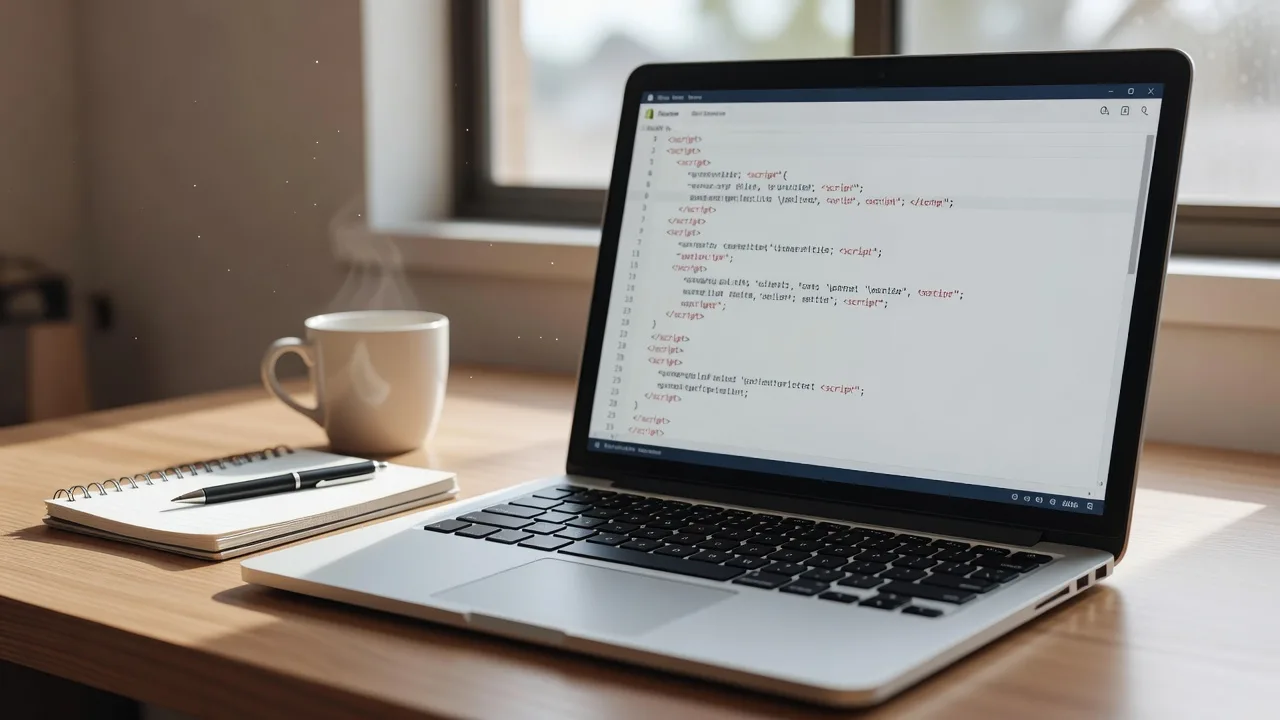
If your Shopify store still feels slow, glitchy, or full of console noise after you uninstalled apps, leftover theme code is usually the culprit—not your products or hosting plan.
Uninstalled apps rarely remove every script, snippet, CSS file, or app embed they injected. That invisible bloat sits in your live theme, hurts load time, breaks layouts, and confuses customers. This guide is for Australian sole traders and small retailers who need a practical way to clean deleted-app residue from a Shopify theme. When the mess is deeper than a safe DIY pass, Fixwebnode can review the theme on-site or with your device and remove what should never have stayed behind.
Why leftover app code still matters after you hit Uninstall
Shopify’s uninstall flow disconnects the app, but it does not always scrub theme.liquid, section files, snippet includes, asset folders, or theme app embeds. Those remnants keep requesting third-party domains, running empty trackers, or calling Liquid objects that no longer exist. On mobile connections common across Australia, that extra work shows up as laggy collections pages, delayed add-to-cart, and random storefront errors that support tickets never quite explain.
Cleaning this invisible code is not a redesign. It is targeted removal of dead integrations so the theme only loads what your business still uses.
What does “invisible” deleted-app code look like on a Shopify theme in Australia?
It is leftover JavaScript, CSS, Liquid snippets, app embed blocks, and asset files that remain after an app is removed. You will not see a tidy “old app” label in the admin; you find script tags, include statements, and network calls to domains you no longer use. A careful theme audit plus a staged cleanup fixes most cases; deep Liquid damage or checkout-adjacent scripts are safer with a specialist.
| Symptom | Quick check | When to book Fixwebnode |
|---|---|---|
| Store feels slow after uninstalls | Browser Network tab still hits old app domains | Many files touched or unsure what is safe to delete |
| Blank blocks or Liquid errors | Theme editor shows missing snippet/section references | Errors on live product or cart templates |
| Console errors on every page | DevTools lists failed scripts from removed apps | Scripts near checkout, customer account, or payments |
Common issues caused by deleted app code bloat
These problems are distinct. Each has a different root cause inside the theme, even when the original app is long gone.
1. Ghost scripts still loading on every storefront page
Symptoms: Pages feel heavier than they should; the browser Network panel shows requests to unfamiliar app CDNs; Lighthouse or PageSpeed flags unused JavaScript you do not recognise.
2. Broken Liquid includes and missing snippet errors
Symptoms: Theme editor warnings, blank gaps in the header/footer, “Could not find asset” style messages, or sections that render empty after an app removal.
3. Orphaned app embeds and leftover CSS fighting your layout
Symptoms: Buttons misaligned, pop-up space reserved for nothing, duplicate fonts, or styling that only broke after you deleted an upsell, reviews, or chat app.
4. Cart and customer-account scripts throwing console errors
Symptoms: Add-to-cart delays, broken quantity selectors, loyalty or referral widgets that no longer exist but still fire events, red errors in DevTools on cart and account pages.
How to fix each issue (DIY first, then specialist)
Work on a duplicate theme, never only on the live published theme. Note which apps you removed in the last 6–12 months. Keep a simple backup export or at least duplicate the theme before every save. If you are meeting a technician in person, bring the laptop you use for Shopify admin, store owner login access (not staff-limited if possible), and a written list of uninstalled apps.
Fix 1 — Remove ghost scripts still calling deleted apps
Goal: stop the storefront from requesting JavaScript you no longer use.
- In Shopify admin, go to Online Store → Themes, click Duplicate on your live theme, then Edit code on the copy.
- Open
layout/theme.liquid(and any alternate layouts such astheme.shoplift.liquidif present). Search for script tags, DNS-prefetch/preconnect hints, and comment blocks naming old apps. - On a desktop browser, open your live storefront, press F12, open the Network tab, reload, and filter by JS. Note domains that clearly belong to removed apps (chat, reviews, upsell, personalisation, old pixel helpers).
- Back in the code editor, remove only the matching
<script>tags,include/renderlines that load those scripts, and hardcoded app init snippets. Do not delete core Shopify or payment scripts. - Check sections and snippets folders for files named after the old app. If a snippet exists only for that app and nothing else references needed store logic, remove the render line first, preview, then remove the orphan file.
- Preview the duplicate theme on home, collection, product, and cart. Confirm the old domains no longer appear in Network and that header, menu, and cart still work.
- Publish the cleaned theme only after a full click-through of checkout as far as your test process allows (use a real test order policy you already trust).
When to call Fixwebnode: dozens of script tags, minified inline bundles you cannot read, or any script sitting beside checkout or customer privacy tooling.
Fix 2 — Repair broken Liquid includes and missing snippets
Goal: stop missing-file errors and blank theme regions caused by deleted app partials.
- Edit the duplicate theme. Use the code editor search for the old app’s name, vendor slug, or snippet filenames you saw in error messages.
- Common patterns include
{% render 'app-name-…' %},{% include 'app-name-…' %}, and section blocks that reference removed app sections. - For each match, open the parent file, remove or comment the single render/include line, and save. Preview immediately after each change so you know which edit fixed or broke the layout.
- If the theme editor shows a section that cannot load, open that section file, delete only the app-specific blocks or schema entries tied to the missing app, and leave your own menu, logo, and announcement logic intact.
- Delete orphan snippet/section files only after no remaining references show up in search.
- Re-check product templates, featured collection sections, and footer—app makers often inject there.
When to call Fixwebnode: Liquid syntax errors after your edits, Online Store password-page failures, or templates that fail to save. A specialist should restore from the duplicate and surgically finish the cleanup rather than risk a broken publish.
Fix 3 — Turn off orphaned app embeds and purge leftover CSS
Goal: remove invisible embeds and styles that still reserve space or override your theme.
- In admin, open Online Store → Themes → Customize on the duplicate theme.
- Open App embeds (theme settings panel). Disable embeds for apps you uninstalled or no longer pay for. Save.
- Still in the editor, scan header, overlay, and footer groups for blocks tied to removed apps; remove those blocks.
- In Edit code, search CSS/SCSS/asset files for the app name. Remove obvious app-only stylesheets from
theme.liquidasset loaders (for example extra{{ 'app-name.css' | asset_url | stylesheet_tag }}lines). - If a CSS file in Assets is solely for the deleted app and nothing else loads it, remove the tag first, preview, then delete the asset.
- Compare before/after on mobile width: look for empty padding at the bottom of the viewport (classic dead chat-widget space) and buttons that regain their original theme styling.
When to call Fixwebnode: your theme uses heavily customised CSS where app rules were mixed into main stylesheet bundles, or disabling embeds changes checkout-adjacent UI you do not want to debug alone.
Fix 4 — Clear dead cart and account scripts safely
Goal: stop console errors and delayed cart behaviour from integrations that no longer exist.
- Preview the duplicate theme. Open cart page and customer login/account pages with DevTools Console open.
- Copy any error text referencing missing functions, undefined app objects, or failed script URLs.
- Search the theme code for those function names and URLs. Typical locations:
main-cartsections,cart-drawer,customers/logintemplates, and small JS assets under Assets. - Remove only the dead init calls and script tags. Leave Shopify’s native cart line-item logic, payment buttons, and customer form markup untouched.
- Test adding a product, changing quantity, removing a line, and opening the cart drawer if you use one. Confirm console is clean of the old app errors.
- If you use Shopify Plus scripts or third-party checkout extensions, stop DIY and book a specialist—those layers are easier to damage.
When to call Fixwebnode: any error that appears on the way to payment, gift cards, subscriptions, or wholesale login flows.
When DIY is enough vs when to book Fixwebnode
DIY is enough when you can name the uninstalled apps, the leftover code is clearly labelled, you are working on a duplicate theme, and preview shows clean Network/Console results on home, product, and cart pages.
Book a specialist when multiple apps were stacked for years, the theme was customized by several people, Liquid errors block saves, or you need an on-site session with someone who will inspect the theme on your machine, keep backups straight, and remove bloat without guessing. Fixwebnode works directly with individuals, sole traders, and local operators across Australia—not as a freelance marketplace—so you deal with a specialist on this problem, not a bid board.
For geography and coverage details, see the Australia service area page and the full service areas hub. On-site or device drop-in style help is scheduled around your store’s quiet periods when possible; bring owner access, the device you use for admin, and a short list of apps already removed. Always keep a theme duplicate before anyone edits code.
Clean the bloat, then get a second pair of eyes if you need it
Invisible deleted-app code is one of the most common quiet drains on Shopify themes: ghost scripts, broken Liquid includes, orphaned embeds, and cart-page errors that linger long after the app subscription ends. Use a duplicate theme, remove only what you can verify, and publish after a real storefront walkthrough.
If you want that cleanup handled carefully for your Australian store—or you already tried and the theme still calls dead services—start a conversation with Fixwebnode via the landing page for website repair: https://fixwebnode.com.au/website-repair-australia. Bring your theme access and app history; we will focus on removing the residue so your storefront runs only what you actually use.