





 Multi-Vendor & Complex SaaS Marketplaces
 Modern Headless & Jamstack Web Development
 High-End Corporate & Specialized Business Websites
 Advanced API, Checkout & Database Troubleshooting
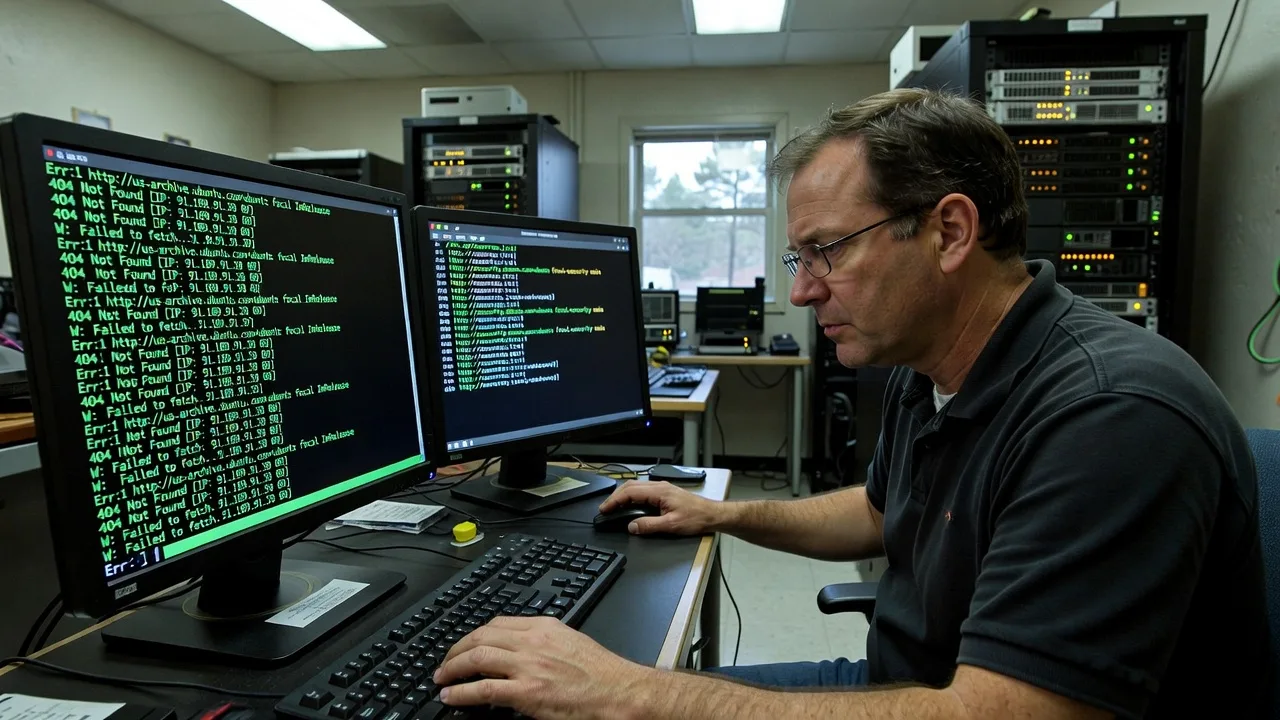
WooCommerce get_refreshed_fragments AJAX Speed Fix | Remote
Cut slow wc-ajax=get_refreshed_fragments cart waits for remote WooCommerce stores worldwide.
We tune cart fragment endpoints, mini-cart hooks, and session/cache paths so add-to-cart and header cart updates feel instant—especially for high-SKU DTC, flash-sale, and multi-currency shops where every extra second costs conversions. Direct Fixwebnode delivery, not a bid board.
Power up support when you need us: fixwebnode.com.au/contact-support — or chat with us for a scoped remote review.
- Fragment & mini-cart profiling
- Cache-safe WooCommerce AJAX fixes
- Clear before/after timing notes

About this service
We speed up slow WooCommerce cart AJAX—especially wc-ajax=get_refreshed_fragments—so remote storefronts stop losing shoppers to multi-second mini-cart freezes. Ideal for flash-sale retailers, multi-currency DTC brands, and B2B catalogues where cart HTML and session locks spike under load.
What You'll Get
- Fragment endpoint audit - Trace get_refreshed_fragments, admin-ajax traffic, and which hooks inflate TTFB on every page view.
- Cart HTML & hook slim-down - Remove or defer heavy woocommerce_add_to_cart_fragments callbacks that rebuild full menus, shipping quotes, or product grids.
- Session & object-cache alignment - Stop lock contention and uncached fragment rebuilds that turn a 200ms call into 3–8 seconds.
- Conditional fragment loading - Load cart scripts only where shoppers actually need them (cart, checkout, product, shop)—not on every blog post.
- Before/after timing pack - Waterfall notes for the fragments request, plus safe rollback points for plugins and theme code.
- Plain-English handoff - What changed, what to monitor on the next sale, and when to re-check after a WooCommerce core update.
Serving Remote & surrounds
This is a worldwide remote service for WooCommerce operators who sell across regions and peak calendars—Black Friday windows, seasonal catalogue drops, and multi-warehouse fulfilment—not a walk-in suburb shop. We work over secure access on your staging and production stacks wherever the store is hosted.
- High-SKU fashion and lifestyle DTC brands whose mini-cart HTML balloons with variations and badges
- Flash-sale and limited-drop merchants who see fragment timeouts the moment ads spike concurrent sessions
- Remote delivery worldwide; on-site only where practical for paired infrastructure work
How We Work
- Step 1: Reach Out - Share store URL, when the cart spinner stalls (empty cart, after add-to-cart, checkout only), and any recent plugin or theme changes—we listen before touching production.
- Step 2: Tailored Plan - Fixed-scope quote for profiling, safe fixes, and verification; clear path if human walkthrough of the admin changes is needed for your team.
- Step 3: We Deliver - Remote optimisation of fragments, caches, and conflicting cart scripts with staging-first changes where possible.
- Step 4: Confirm & Follow-up - You get timings, what we disabled or deferred, and optional monitoring or a follow-up after your next campaign.
Common Issues & How to Fix Them
These are the patterns we see repeatedly on real stores—not generic “clear cache” advice.
Empty-cart pages still fire a 2–6s get_refreshed_fragments call
Themes and page builders enqueue cart-fragments.js site-wide, so every blog and landing page pays for a cart rebuild shoppers never opened.
- Step 1: Open DevTools → Network, filter wc-ajax=get_refreshed_fragments, hard-refresh a non-shop page while logged out and note TTFB and payload size.
- Step 2: Dequeue woocommerce-cart-fragments on non-cart templates (or use a trusted snippet/plugin that limits it to product, cart, checkout, and account), then purge page cache.
- Step 3: Re-test the same URL: the fragments request should be absent or under ~300ms with a tiny JSON body when the cart is empty.
Mini-cart HTML is huge because plugins dump full widgets into add_to_cart_fragments
Shipping estimators, loyalty point blocks, upsell carousels, and currency switchers hook the fragment filter and re-query the database on every refresh.
- Step 1: Temporarily disable non-essential cart/upsell plugins on staging; compare fragment response size and time before vs after.
- Step 2: Identify callbacks on woocommerce_add_to_cart_fragments (Query Monitor or a mu-plugin logger); keep only mini-cart count + line items; move upsells to dedicated AJAX after cart open.
- Step 3: Add a product, open the mini-cart, and confirm the fragments payload dropped and UI still updates quantity/subtotal correctly.
Session lock or object-cache miss makes concurrent AJAX queue
Two tabs, a sticky header cart, and a third-party tax/shipping calculator all hit the same WooCommerce session; without a proper object cache (or with misconfigured Redis), each request waits on the previous write.
- Step 1: Confirm Redis/Memcached object cache is active and WooCommerce sessions are not falling back to slow DB-only storage under load.
- Step 2: Avoid full-page cache of cart/checkout cookies incorrectly; ensure fragment responses vary on cart hash and are not served stale across users.
- Step 3: Load two product pages, add to cart in one, watch the other: fragment refresh should complete without multi-second blocking and without mixing carts between sessions.
When DIY is not enough (urgent, unsafe, recurring, or burning time), book Fixwebnode for direct professional support—no freelancers, bidding, or marketplace noise.
Why Choose Fixwebnode
We treat cart AJAX as production infrastructure: measure the endpoint, remove the real cost centres, and leave your theme stable for the next sale. You work with us directly—technical depth when the stack needs it, plain language when your team just needs the cart to feel fast.
- ✓ Hands-on WooCommerce fragment, session, and cache tuning from real high-traffic store recoveries
- ✓ Staging-first changes with rollback notes and before/after Network timings
- ✓ Remote worldwide delivery with a single accountable provider—not a queue of anonymous bids
Tools & Technologies
WooCommerce cart fragments & wc-ajax endpoints, Query Monitor, browser Network waterfalls, Redis/Memcached object cache, WP-CLI, staging clones, conditional script dequeue, session handlers, page-cache exclusion rules, and lightweight custom hooks for mini-cart HTML.
Perfect For
Store owners, ops leads, and small in-house teams running WooCommerce who see sluggish header carts, delayed add-to-cart feedback, or checkout hesitation during campaigns. Especially strong fit for multi-currency and high-SKU catalogues sold remotely across regions—when you need the endpoint fixed, not another generic speed plugin stacked on top.
Ready to move? Reach us via fixwebnode.com.au/contact-support or chat with us to scope your fragments review.
Choose a package
Remote audit of get_refreshed_fragments with written findings and priority fix list for one WooCommerce store.
Implement core fragment speed fixes on staging then production, with before/after timings for cart AJAX.
Full cart AJAX optimisation plus campaign-ready verification, conflict resolution, and 14-day post-sale check-in.
FAQ
Yes. We optimise get_refreshed_fragments and related cart AJAX remotely over secure access for stores hosted anywhere. On-site visits are only arranged where practical for broader infrastructure work—most cart endpoint fixes complete entirely remote.
We prefer staging first whenever you have one. If production-only is required, we limit blast radius, document each change, and keep rollback steps so a sale window is not left hanging on an untested snippet.
A staging or production URL, admin access (or a temporary collaborator account), note of caching layers (CDN, Redis, host cache), and when the slowness appears—empty cart, after add-to-cart, or checkout only. That is enough for us to reproduce and scope a fixed quote.