




 Multi-Vendor & Complex SaaS Marketplaces
 Modern Headless & Jamstack Web Development
 High-End Corporate & Specialized Business Websites
 Advanced API, Checkout & Database Troubleshooting
Migrate On-Premise Business Linux Servers to AWS EC2 | Remote
Move aging on-premise Linux servers to AWS EC2 with a controlled cutover—available remotely worldwide.
We plan, lift, and harden production hosts for firms that outgrew the rack: capacity spikes, lease end, or disk failures that cannot wait. Assessment through go-live is delivered by our team—not a bid board—so downtime windows stay predictable.
- Discovery, right-sizing, and migration runbooks
- Data sync, cutover, and post-move validation
- Optional hardening and 30-day stabilisation support
Power up your support experience at fixwebnode.com.au/contact-support. You can also chat with us when you are ready to scope the move.

About this service
We migrate on-premise business Linux servers to AWS EC2 with measured downtime, verified data integrity, and a runbook your ops team can actually follow—delivered remotely worldwide.
What You'll Get
- Infrastructure discovery & dependency map - Inventory of hosts, storage, services, cron jobs, certificates, and firewall paths so nothing silent breaks at cutover.
- Right-sized EC2 design - Instance family, EBS type/IOPS, placement, security groups, and IAM roles matched to real CPU wait, disk queue depth, and peak concurrency—not a default t3 guess.
- Replication & cutover plan - rsync/MGN strategy, freeze window, DNS flip, and rollback criteria written before the first byte moves.
- Boot & kernel readiness - virtio/NVMe drivers, initramfs rebuild, cloud-init hygiene, and GRUB fixes for Nitro vs previous hypervisor mismatches.
- Post-migration validation pack - Service health checks, latency baselines, backup proof, and a plain-English handoff document.
- Optional hardening & stabilisation - SSH posture, unattended-upgrades policy, CloudWatch alarms, and a short hypercare window after go-live.
Serving Remote & surrounds
This offer exists for organisations that still run critical Linux on aging hardware—often multi-site professional services, light manufacturing ERP, clinic back-office systems, and Australian firms facing end-of-financial-year load that the old chassis cannot absorb. Delivery is remote-first worldwide; on-site hands are arranged only where rack access or compliance genuinely requires it.
- Accounting and professional-services practices that need burst capacity before EOFY without buying another tower
- Regional clinics and multi-branch teams consolidating patient-adjacent admin systems off unreliable UPS-backed racks
- Remote cutover windows aligned to your timezone; on-site only when practical for console or network gear
How We Work
- Step 1: Reach Out - Tell us host count, OS versions, storage size, RTO/RPO targets, and the business process that must not fail. We listen first and flag show-stoppers early.
- Step 2: Tailored Plan - Fixed-scope quote with architecture notes, migration method, downtime estimate, and package tier—no open-ended marketplace bidding.
- Step 3: We Deliver - Build the AWS landing zone pieces you need, replicate data, dry-run boot tests, then execute cutover with live checks against your acceptance list.
- Step 4: Confirm & Follow-up - Handoff credentials map, runbooks, and optional maintenance path so the new EC2 fleet stays boringly reliable.
Common Issues & How to Fix Them
These are failure modes we see repeatedly on lift-and-shift jobs—specific symptoms, not generic cloud tips.
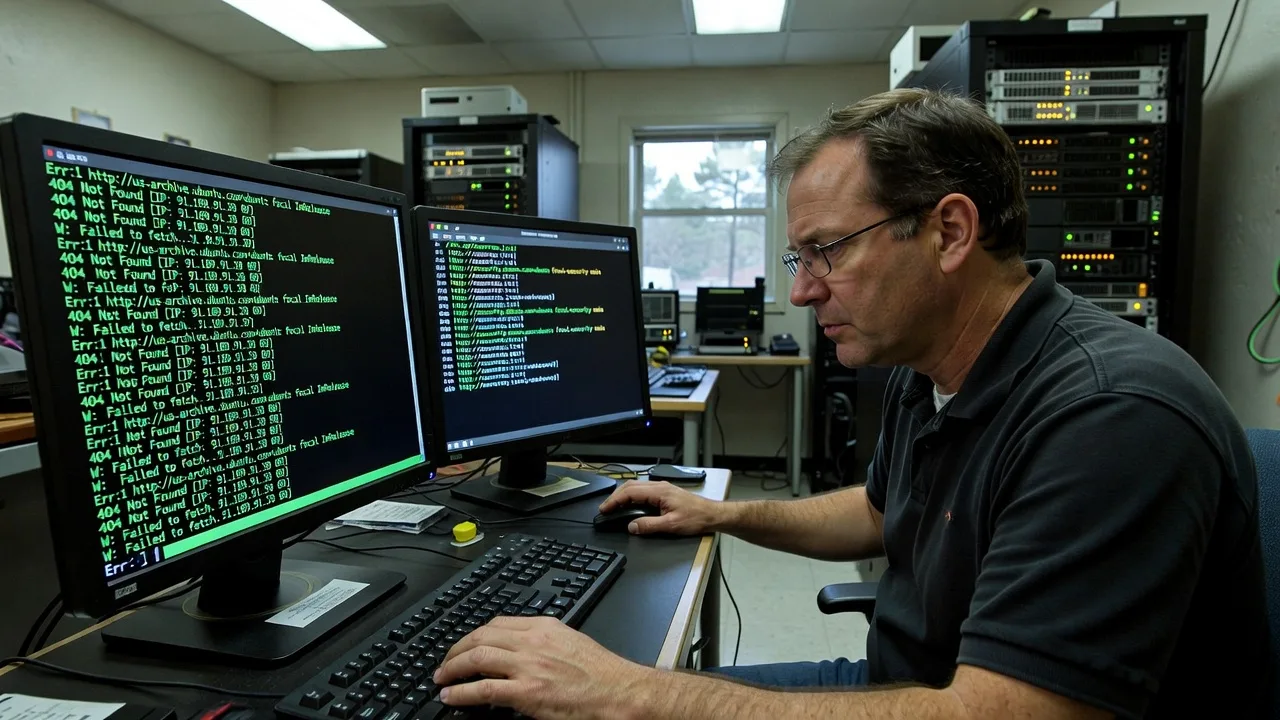
EC2 instance reaches "running" but never answers SSH (or drops to emergency shell)
Usually missing NVMe/virtio modules in the initramfs, root UUID mismatch in /etc/fstab, or GRUB still pointing at a pre-cloud disk name after the move from bare metal or VMware.
- Step 1: Detach the root volume, attach it to a temporary rescue instance, mount the root filesystem, and inspect /var/log/messages or the serial console output for "gave up waiting for root device" or module load errors.
- Step 2: Chroot into the mounted root, install/update nvme-cli / virtio packages as needed, run dracut -f or update-initramfs -u, convert fstab entries from /dev/sdX to UUID= form, and ensure GRUB defaults use UUID or LABEL.
- Step 3: Reattach as root, start the instance, confirm serial console reaches multi-user target, then verify systemctl is-system-running and SSH login before you touch DNS.
App is "up" but feels slower than the old on-prem box (high iowait, timeout spikes)
Classic when a busy database or file store lands on gp2/gp3 without provisioned IOPS, or when the previous SAN hid latency that a single EBS volume now exposes under the same concurrency.
- Step 1: Capture a quiet baseline and a peak window with iostat -x 1, vmstat 1, and CloudWatch VolumeQueueLength / VolumeTotalReadTime; note if await and %util climb while CPU idle is high.
- Step 2: Move hot data volumes to gp3 (or io2 where justified), raise IOPS/throughput independently of size, separate OS and data volumes, and check whether the instance network/EBS bandwidth ceiling is the real choke (family too small).
- Step 3: Re-run the same iostat window under identical load; success looks like lower await, stable p95 app latency, and queue depth that no longer pegs under normal batch jobs.
Services start but clients cannot connect after IP and hostname change
Hard-coded bind addresses, stale /etc/hosts, old TLS SANs, firewalld/nftables still allowing only the data-centre subnet, or reverse DNS and mail/auth callbacks still pointing at the retired public IP.
- Step 1: On the instance run ss -tulpn and confirm listeners are on 0.0.0.0 or the new private IP—not the old on-prem address. Diff application config and systemd unit files for embedded IPs.
- Step 2: Update security groups and OS firewall for the new CIDR paths, fix /etc/hosts and hostnamectl, reissue or SAN-update certificates, and point internal DNS (or Route 53) with a short TTL flip plan.
- Step 3: From a client network path, test TCP connect, TLS handshake, and one full application transaction; confirm logs show the new source IPs and that monitoring still scrapes the host.
When DIY is not enough (urgent, unsafe, recurring, or burning time), book Fixwebnode for direct professional support—no freelancers, bidding, or marketplace noise.
Why Choose Fixwebnode
We are a direct technical provider: the same specialists who design the landing zone also execute the cutover and stay accountable for boot and data integrity. Remote delivery is built for real production windows, with plain-English communication when non-technical owners need status without jargon overload.
- ✓ Hands-on Linux and AWS migration experience across RHEL, Rocky, Alma, Ubuntu, and mixed fleets
- ✓ Runbooks that include rollback criteria, not just a happy-path checklist
- ✓ Fixed-scope packages with clear hypercare options after go-live
Tools & Technologies
AWS EC2, EBS (gp3/io2), VPC security groups, IAM instance profiles, AWS Application Migration Service (MGN) where suitable, rsync/rclone for controlled file-level moves, cloud-init, systemd, firewalld/nftables, GRUB2, dracut/initramfs tooling, CloudWatch metrics & alarms, SSM Session Manager, and standard Linux diagnostics (iostat, ss, journalctl, lsblk/blkid).
Perfect For
Businesses still running production Linux in a cupboard or colo rack—professional services, clinics consolidating admin systems, light industrial ERP, and small multi-site teams that need cloud capacity without a six-month consulting theatre. Ideal when lease end, hardware failure risk, or seasonal load finally forces the move and you want one accountable provider end to end.
Ready to scope the migration? Reach us via fixwebnode.com.au/contact-support or chat with us to lock a cutover window.
Choose a package
Remote discovery and written migration plan for one on-premise Linux host to AWS EC2.
Full lift of one production Linux server to EC2 including sync, cutover assistance, and validation.
Multi-server or complex migration with hardening, monitoring, and 30-day stabilisation hypercare.
FAQ
Most migrations are completed fully remote worldwide via secure access to your current hosts and AWS account. If console, cabling, or compliance requires hands on the rack, we arrange on-site only where practical and agree that scope before work starts.
Many file-and-service hosts complete final cutover in a short maintenance window after background replication—often under an hour once dry-runs pass. Databases and tightly coupled apps need a longer freeze; we measure that in discovery and put the estimate in your fixed plan so stakeholders can schedule properly.
OS version, approximate disk usage, critical services list, preferred AWS region, current backup proof, and a technical contact who can approve security group and DNS changes. SSH or equivalent admin access to the source host and rights to build EC2 resources are required for Standard and Premium packages.
Most open-source stacks move cleanly; commercial agents sometimes bind to MAC, hostname, or CPU counts. We flag licence and activation risks during discovery and plan reactivation steps so you are not surprised after the IP and hardware fingerprint change.