





 Multi-Vendor & Complex SaaS Marketplaces
 Modern Headless & Jamstack Web Development
 High-End Corporate & Specialized Business Websites
 Advanced API, Checkout & Database Troubleshooting
Laptop Overheating Fix: Dust Clean & Thermal Paste — Remote
Cool down throttling laptops for remote teams, clinics, and study setups—worldwide dust clean and thermal-paste guidance.
We triage fan clog patterns, dried factory paste, and summer heat spikes on aging work machines, then guide a safe clean/re-paste path or arrange on-site help where practical. Power up your support experience via fixwebnode.com.au/contact-support, or chat with us for a quick cooling triage.
Book contact support · Chat with us when you need a same-day plan.
- Remote diagnosis before any teardown
- Paste grade and safety checklist included
- Clear follow-up after the cool-down

About this service
Bring surface temperatures and fan noise back under control with a remote-first laptop overheating service focused on thorough dust extraction and correct thermal-paste replacement—available worldwide, with on-site help where practical.
What You'll Get
- Heat-path diagnosis - We map whether the spike is dust, dried paste, blocked vents, or software load before you open a single screw.
- Dust extraction plan - Intake/exhaust path, fan-blade clean method, and what not to blast with canned air.
- Thermal-paste refresh guidance - Correct compound type, pea/line volume, and heat-sink reseat pressure for your chassis family.
- Before/after temperature checklist - Idle and load targets so you know the job actually worked.
- Safe DIY or assisted session - Live remote coaching during teardown, or practical on-site arrangement when travel makes sense.
- Plain-English handoff - What to monitor for the next two weeks and when to rebook.
Serving Remote & surrounds
This page exists for distributed knowledge workers, telehealth clinicians, NDIS and aged-care coordinators, and small-business owners whose laptops live on kitchen tables, shared desks, and hot climate home offices—not for a walk-in shopfront story. Summer heatwaves and long video-call days expose paste that dried years ago and fans packed with carpet fibre. We deliver the service remotely worldwide and attend on-site only where it is practical and agreed.
- Home-office knowledge workers whose CPU hits 95°C+ mid-spreadsheet after two years without a clean
- Clinic and telehealth laptops that throttle during long consults in warm consulting rooms
- On-site visits booked only when chassis access, warranty seals, or mobility needs make remote coaching unsafe or impractical
How We Work
- Step 1: Reach Out - Tell us the model, age, noise pattern, and when the heat started (after travel, after a desk move, or mid-summer). We listen before prescribing a teardown.
- Step 2: Tailored Plan - Fixed-scope quote for diagnosis-only, guided clean/re-paste, or extended multi-device support—no bidding theatre.
- Step 3: We Deliver - Remote screen-share diagnostics, live coaching through dust removal and paste application, or practical on-site work when agreed.
- Step 4: Confirm & Follow-up - You re-run a short load test with us; we confirm deltas and leave a simple monitoring note for the next fortnight.
Common Issues & How to Fix Them
These are patterns we see repeatedly on 3–7 year business and study laptops—not generic "clean your vents" advice.
Issue 1 — Fan spins hard but CPU still climbs past 90°C under light office load
Usually dried factory paste has cracked away from the die while dust only coats the outer grille, so airflow looks busy but heat never leaves the package.
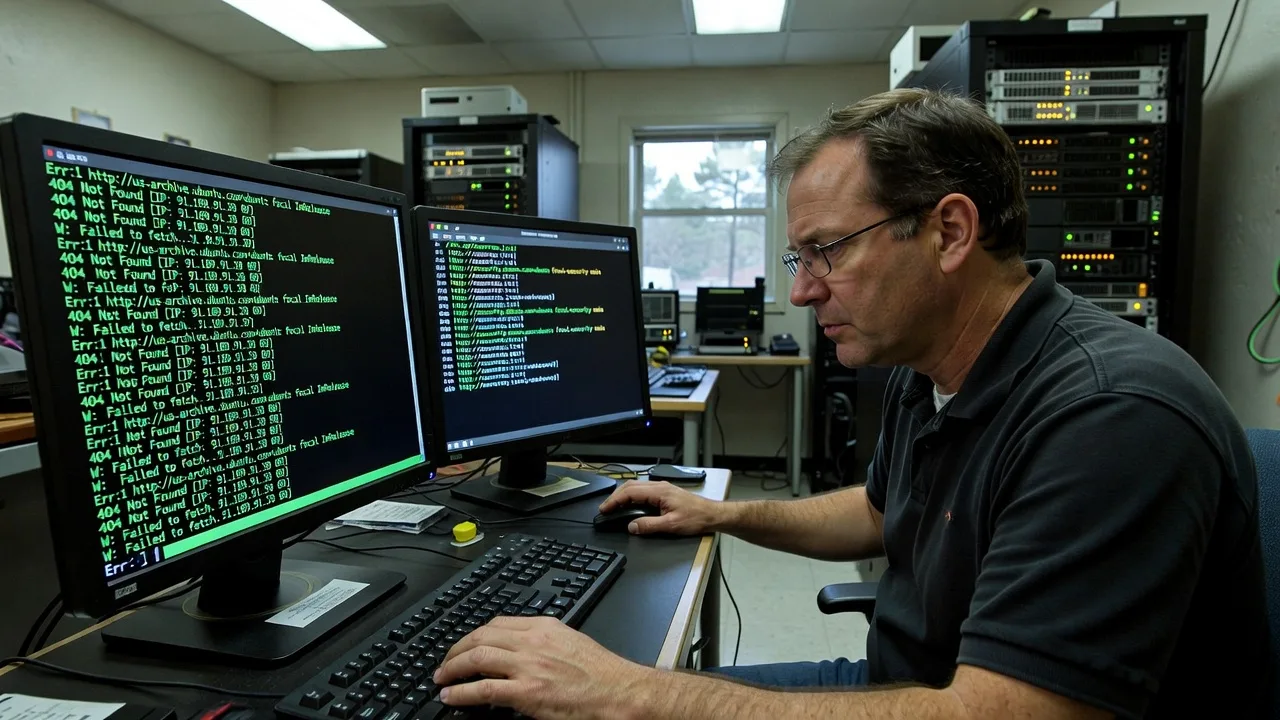
- Step 1: Note idle vs 10-minute document/video-call temps with a simple hardware monitor; if idle is already mid-60s°C with clean-looking vents, paste—not just dust—is suspect.
- Step 2: Power down, disconnect battery if the service manual allows, remove the heat-sink carefully, and inspect for chalky grey residue or bare spots on the die.
- Step 3: After a thin fresh application and firm even reseat, idle should drop several degrees and load peaks should stop climbing into thermal throttling within the first stress pass.
Issue 2 — Sudden roar after moving the laptop from a carpeted floor stand to a soft bed or couch cushion
Fine fibres and pet hair pack the bottom intake; fans work harder while the heat pipe still conducts poorly because the underside never gets cool intake air.
- Step 1: Lift the chassis on a hard surface with 2–3 cm clearance and re-test noise; if roar drops immediately, intake starvation is confirmed.
- Step 2: Use short bursts of air from the exhaust side outward, hold fan blades still with a plastic spudger so bearings are not overspun, then brush grille edges—never reverse-blast a free-spinning fan.
- Step 3: Re-test the same cushion scenario; healthy systems stay quieter on hard surfaces and only mildly elevate on soft ones—if roar returns instantly, internal fin stacks still need a full open clean.
Issue 3 — Temps improved for a week after a thick "more paste is better" DIY, then climbed worse than before
Excess compound squeezes into surrounding components, creates an insulating mound, or pumps out under heat cycles so contact area shrinks.
- Step 1: Open again and photograph the spread pattern; good contact looks thin and even across the die, not a tall blob or paste rivers on the PCB.
- Step 2: Fully clean old compound with proper solvent on lint-free wipes, apply a rice-grain to small-pea amount centred on the die (or a thin line on long rectangular dies), and reseat straight down without twisting.
- Step 3: Run a 15-minute realistic workload; expect a stable plateau, not a slow climb after minute five. If the plateau is still high, check heat-pipe contact pressure and missing thermal pads on VRM or SSD shields next.
When DIY is not enough (urgent, unsafe, recurring, or burning time), book Fixwebnode for direct professional support—no freelancers, bidding, or marketplace noise.
Why Choose Fixwebnode
We treat overheating as a heat-path problem, not a one-click software tweak. You work directly with us—technical enough to name paste volume and fan bearing risk, clear enough for non-technical staff and carers to follow without panic.
- ✓ Direct provider model: fixed scopes, plain quotes, we do the work or coach you live
- ✓ Remote-first worldwide delivery with on-site only when it truly helps
- ✓ Experience across business ultrabooks, clinic laptops, and long-hour study machines—not just gaming chassis myths
Tools & Technologies
Hardware monitors for package and disk temps, manufacturer service manuals for screw maps and battery disconnect steps, quality isopropyl and lint-free wipes, reputable thermal compounds matched to chassis (not wholesale "thickest wins" paste), plastic spudgers, controlled compressed air technique, and optional pad replacement notes for VRM/SSD shields when the design requires them.
Perfect For
Remote employees, small-business owners, telehealth and clinic staff, educators, and households supporting NDIS or aged-care digital access whose laptops now roar, throttle, or shut down under ordinary video calls and documents. If your machine is a daily tool rather than a bench toy, this service is built to restore usable, quieter cooling without marketplace runaround.
Ready to cool it down? Start at fixwebnode.com.au/contact-support or chat with us to lock a remote session.
Choose a package
Remote overheating triage plus a written dust-clean and thermal-paste DIY plan tailored to your laptop model.
Live remote coaching through dust extraction and thermal-paste replacement with before/after temperature verification.
Full cooling recovery for one primary laptop plus secondary device review, extended coaching, and optional on-site where practical.
FAQ
Most sessions are live video coaching: we confirm the model, walk screw order and battery safety, guide dust removal without overspinning fans, and supervise paste volume and heat-sink reseat. Where travel is practical and agreed, we can arrange on-site work instead. You always deal with us directly—not a board of bidders.
It can, depending on brand seals and remaining cover. We flag warranty risk before any teardown, prefer non-invasive cleaning first when seals matter, and document steps so you can decide. If the machine is out of warranty or you accept the risk, we proceed with careful, reversible technique.
We capture simple before metrics (idle and a repeatable 10–15 minute workload) and repeat the same test after reassembly. A successful job shows lower plateaus, less aggressive fan curves, and no slow climb after the first few minutes. We also leave a short watch-list for the following two weeks.