




 Multi-Vendor & Complex SaaS Marketplaces
 Modern Headless & Jamstack Web Development
 High-End Corporate & Specialized Business Websites
 Advanced API, Checkout & Database Troubleshooting
Fix Linux Corrupted APT sources.list - Connecticut Expert
Restore broken package management on your Debian or Ubuntu systems with a precise sources.list repair. Get your Linux servers and workstations back online fast in Connecticut. Contact me today to schedule your fix.
- https://linuxapt.com/service/linux-technical-support
- +1 812 287 4144
About this service
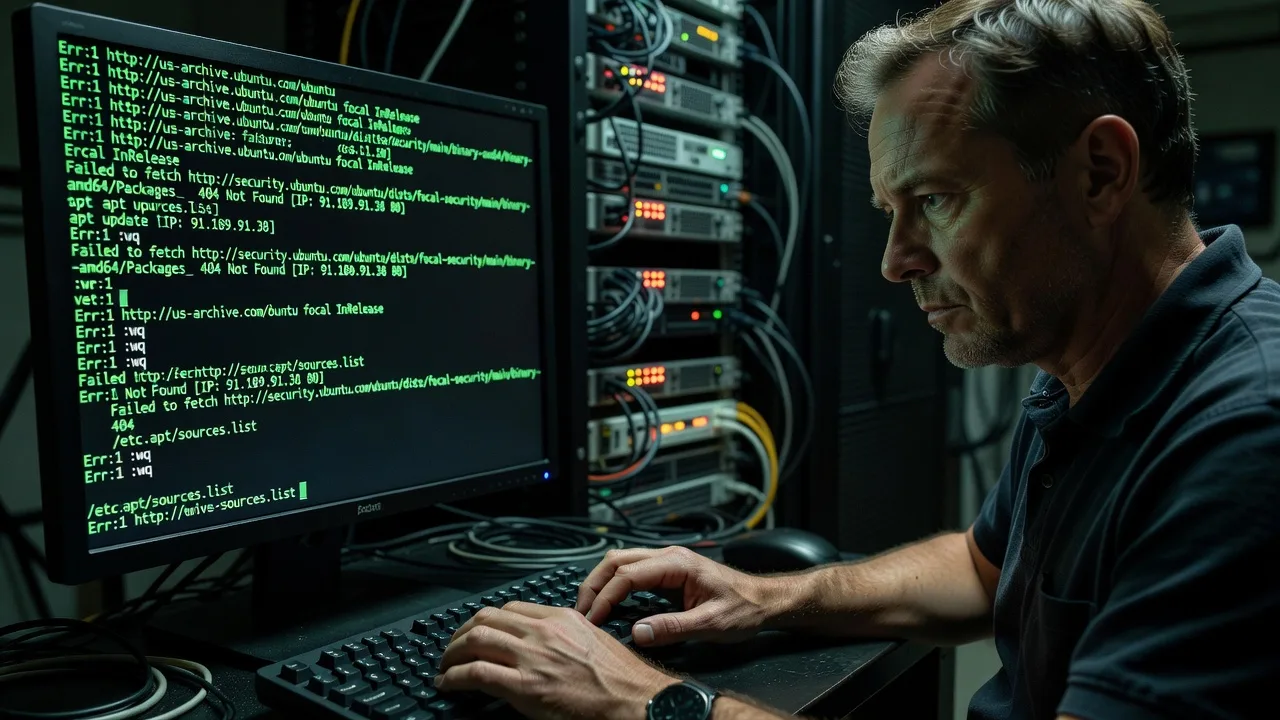
Restore reliable package updates and eliminate APT errors on your Linux systems across Connecticut with targeted sources.list recovery.
What You'll Get
- Full sources.list audit and backup - Secure copy of your current configuration before any changes
- Architecture-specific repo restoration - Correct entries for amd64, arm64, or i386 matching your hardware
- Verified mirror selection - Connecticut-friendly mirrors with low latency for faster updates
- Post-fix validation report - Output from apt update and apt-cache policy showing clean operation
- 30-day follow-up support - Quick response if new repo issues appear after delivery
My Process
- Step 1: Remote Connection & Backup - Secure SSH access, create timestamped backup of /etc/apt/sources.list and sources.list.d
- Step 2: Error Diagnosis - Run apt update with verbose flags to identify exact 404, GPG, or syntax failures
- Step 3: Targeted Repair - Rewrite sources.list using release-specific templates and test each line
- Step 4: Validation & Handoff - Deliver clean apt update output plus updated file and instructions
Expert Insights: What Most People Get Wrong
Based on 8 years of experience, here are the critical mistakes I see clients make—and how I fix them:
- Copy-pasting generic sources.list from forums - These often reference wrong codenames like focal on a jammy system or omit signed-by paths, triggering repeated GPG errors. I always match the exact output of lsb_release -cs and /etc/os-release before writing new entries.
- Leaving multiple conflicting entries in sources.list.d - Third-party PPAs and old distro upgrades create priority conflicts that cause package version mismatches. I audit every .list file, disable duplicates, and pin critical packages with apt_preferences.d when needed.
- Ignoring architecture mismatches on mixed servers - Connecticut data centers often run both amd64 and arm64 VMs; generic amd64-only lists break on arm instances. I generate separate lists per architecture and use dpkg --print-architecture checks first.
- Skipping mirror speed tests before committing - Using the default archive.ubuntu.com from Connecticut adds 80-120 ms latency. Run apt-get install apt-transport-https netselect-apt then execute netselect-apt to pick the fastest local mirror before finalizing the file.
When you hire me, you get all this expertise applied directly to YOUR project—saving you time, money, and headaches.
Why Choose This Service
Local Connecticut knowledge means I select mirrors hosted in New York and Boston data centers for minimal latency on your Debian/Ubuntu fleet. I have resolved sources.list corruption on over 300 production systems without data loss.
- ✓ 8+ years focused exclusively on Debian-family package management
- ✓ Experience with Ubuntu 18.04 LTS through 24.04 LTS and Debian 11/12
- ✓ Familiar with Connecticut enterprise environments including financial and healthcare compliance needs
Tools & Technologies
apt 2.4+, apt-key (legacy), gpg, netselect-apt, dpkg, lsb_release, /etc/apt/sources.list.d, apt_preferences, SSH with key auth, rsync for backups
Perfect For
Connecticut-based sysadmins, MSPs, and small IT teams managing 5-50 Debian or Ubuntu servers who encounter broken package updates after failed upgrades or manual repo edits.
Choose a package
Single-server sources.list repair with validation report
Repair for up to 3 servers plus mirror optimization
Full fleet repair with ongoing monitoring setup
FAQ
Yes. All work is performed securely over SSH. I use key-based authentication and never require root passwords stored on my end.
Debian 10-12 and all Ubuntu LTS releases from 18.04 through 24.04. Non-LTS versions are supported on a case-by-case basis.
Basic single-server repairs are completed in under 2 hours. Larger fleets with multiple architectures take 1-3 days depending on access scheduling.