





 Multi-Vendor & Complex SaaS Marketplaces
 Modern Headless & Jamstack Web Development
 High-End Corporate & Specialized Business Websites
 Advanced API, Checkout & Database Troubleshooting
Docker & Docker-Compose Setup on Debian Linux | Remote
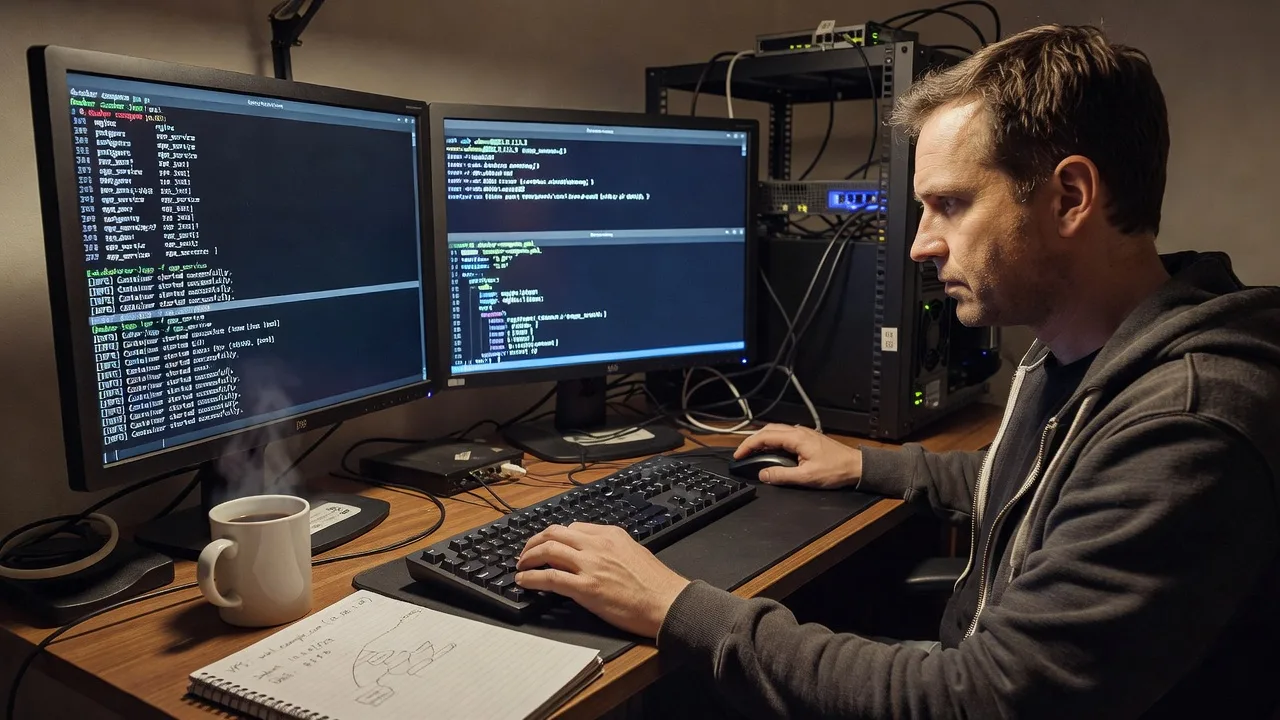
Production-ready Docker and Compose stacks on Debian—installed, hardened, and documented remotely worldwide.
We configure the engine, Compose v2, networks, volumes, and sane defaults so your apps ship without host drift. Ideal for SaaS teams, agencies, and product launches that need repeatable Debian containers before go-live. Power up ongoing support at fixwebnode.com.au/contact-support, or chat with us when you need a specialist on the line.
Direct provider delivery—fixed scopes, no bidding noise.
- Clean Debian host + Compose baseline
- Secure daemon & user access
- Handoff notes you can actually run
About this service
Get Docker Engine and Docker Compose production-ready on Debian Linux without host chaos, broken networking, or half-finished installs—delivered remotely worldwide for teams that need containers that survive reboots and releases.
What You'll Get
- Debian-aligned Docker Engine install - Official repo or distribution-safe path, daemon verified, storage driver confirmed.
- Docker Compose v2 plugin setup - Compose as a first-class CLI plugin, version-checked, ready for multi-service stacks.
- Secure daemon baseline - User group access, logging defaults, restart policy, and socket permissions that do not leave root-only dead ends.
- Networks, volumes & sample stack - Named networks, bind vs named volume guidance, and a working compose file for your first services.
- Firewall & iptables/nft awareness - Docker bridge rules that do not silently break after Debian upgrades.
- Plain-English runbook - Commands, rollback notes, and what good vs bad looks like on your host after handoff.
Serving Remote & surrounds
This service exists for remote-first product and ops teams who run Debian on VPS, bare metal, or private cloud and need container baselines before a release window—not generic marketplace copy. Demand spikes before SaaS launches, agency client cutovers, university term projects that graduate into always-on demos, and e-commerce peak seasons when teams finally leave ad-hoc Docker Desktop habits behind. We work wherever your SSH lands; on-site only where practical.
- SaaS and API teams standardising staging and production on Debian VPS fleets
- Digital agencies containerising client CMS, queue, and worker stacks before campaign peaks
- Worldwide SSH delivery with optional scheduled maintenance windows for your timezone
How We Work
- Step 1: Reach Out - Tell us Debian version, host role (app, CI runner, single-node prod), and whether you already have compose files or need a baseline stack.
- Step 2: Tailored Plan - Fixed-scope quote for install, hardening, and compose layout—no open-ended freelancing chatter.
- Step 3: We Deliver - Remote session: packages, daemon, Compose, networks/volumes, smoke tests, and permission fixes on your Debian box.
- Step 4: Confirm & Follow-up - You get verification commands, a short runbook, and optional follow-up for the next environment or maintenance pass.
Common Issues & How to Fix Them
These are patterns we see constantly on real Debian hosts—not textbook fluff.
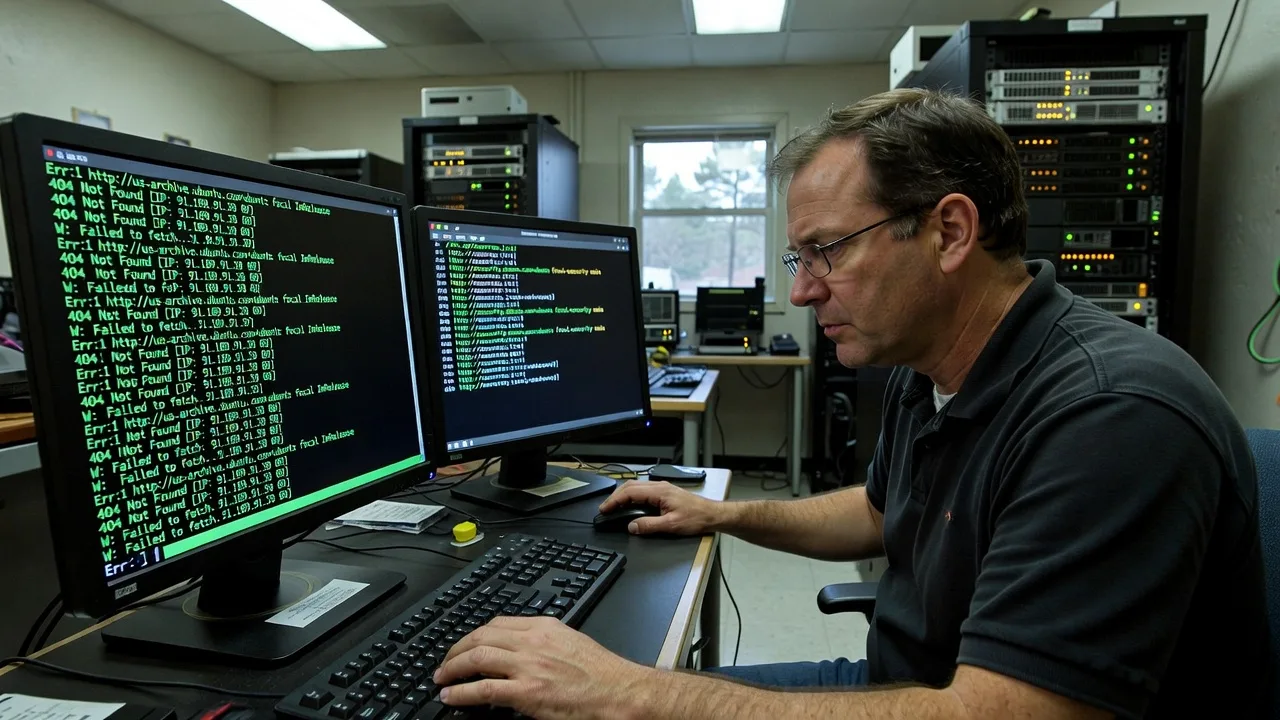
Docker starts, but containers cannot reach the internet after a Debian upgrade (nftables vs legacy iptables)
Symptoms: pull fails with timeout, outbound curl from containers dies, while the host itself still browses fine. Often after moving to nftables-default Debian while Docker still expects a compatible iptables backend.
- Step 1: From the host, run iptables -V and update-alternatives --display iptables; note whether you are on nft or legacy. Inside a throwaway container, try ping 1.1.1.1 or curl -I https://example.com.
- Step 2: Prefer aligning Docker with the host firewall model: either install/use iptables-legacy consistently or ensure the nft path and Docker’s iptables integration are intentional—not mixed. Avoid random one-line forum “disable iptables in daemon.json” unless you truly manage all forwarding yourself.
- Step 3: Restart Docker, recreate the test container, confirm DNS (getent hosts registry-1.docker.io in-container) and a successful docker pull hello-world. If host traffic still works and container traffic does not, the bridge/NAT path is still wrong—stop DIY loops and book a session.
permission denied while trying to connect to the Docker daemon socket
Symptoms: every docker ps as your deploy user fails unless you prefix sudo; CI jobs flap; someone “fixed” it by chmod 777 on the socket (bad).
- Step 1: Check group membership with id and getent group docker. Confirm the socket path and mode with ls -l /var/run/docker.sock—owner root, group docker is normal.
- Step 2: Add the deploy user with sudo usermod -aG docker YOURUSER, then fully log out and back in (or new SSH session). Never world-writable the socket; that is a standing privilege escalation gift.
- Step 3: Run docker ps without sudo. If it still fails, verify you are not in a lingering session, that systemd user sessions did not cache groups, and that rootless vs rootful was not half-configured.
Compose stack “is up” but service-to-service DNS names fail intermittently
Symptoms: app logs show getaddrinfo failures for service names that exist in the same compose file; it works after recreate, then breaks when a second stack joins the default bridge.
- Step 1: Inspect networks: docker network ls and docker compose ps. Confirm services share an explicit user-defined network in compose—not only the implicit default when multiple projects collide.
- Step 2: Define a named network in compose, attach every service that must talk, pin service names (DNS aliases), and avoid publishing every port to the host “just in case.” Rebuild with docker compose up -d --force-recreate after network changes.
- Step 3: Exec into a client container and resolve the dependency hostname (getent hosts db or equivalent). Stable resolution plus a successful TCP connect means you fixed the topology; if only host-published ports work, you still have a network design smell.
When DIY is not enough (urgent, unsafe, recurring, or burning time), book Fixwebnode for direct professional support—no freelancers, bidding, or marketplace noise.
Why Choose Fixwebnode
We install and harden Docker on Debian as a direct infrastructure provider: same specialist path from audit to handoff, not a rotating cast of bidders. You get practical defaults shaped by years of broken bridges, full disks on overlay2, and compose files that looked fine in staging and failed on first reboot.
- ✓ Tier-1 remote Linux and container baseline work with fixed quotes
- ✓ Debian-specific gotchas (repos, cgroups, firewall backends) handled up front
- ✓ Clear runbooks and optional follow-up—human clarity without slogan filler
Tools & Technologies
Debian 11/12 (and compatible), Docker Engine, containerd, Docker Compose v2 plugin, BuildKit, overlay2, user-defined bridge networks, named volumes, UFW/nftables/iptables awareness, systemd unit overrides, SSH-based remote delivery, optional Portainer or plain CLI ops (as agreed), registry login patterns, healthchecks, restart policies, and compose profiles for dev/stage/prod separation.
Perfect For
Engineering leads, solo founders, and small ops teams who need a trustworthy Debian container host before a release—not a lecture on buzzwords. Especially strong fit for multi-service web APIs, worker queues, and agency-managed client stacks that must be reproducible on a VPS. If you want the engine installed right once, documented, and ready for your compose files, this is the direct path.
Ready to standardise Docker on Debian? Start at fixwebnode.com.au/contact-support or chat with us—we will scope the host and deliver the baseline ourselves.
Choose a package
Single Debian host: Docker Engine + Compose v2 install, smoke tests, and access fix.
Full baseline: daemon defaults, networks/volumes, sample compose stack, and runbook.
Production-minded setup: hardening pass, dual-env compose layout, firewall review, and follow-up.
FAQ
We deliver this service remotely worldwide over SSH on your Debian hosts. On-site is only where practical and agreed in advance. You provide access, we install and verify Docker and Compose, then hand back a runbook you can re-run.
We routinely work on current stable Debian releases on VPS, dedicated, and private-cloud VMs. Share your version, kernel constraints, and whether the host is already in production so we can choose a safe install path and maintenance window.
Basic focuses on a clean engine and Compose install. Standard and Premium include network/volume layout and sample or adapted compose structure. If you already have compose files, we review them for Debian-host fit, DNS, volumes, and restart behaviour as part of the higher scopes.
No. Fixwebnode is the direct provider. You get a fixed scope from us—we perform the Linux and Docker work ourselves, without freelancers, proposals, or escrow theatre.