


 Multi-Vendor & Complex SaaS Marketplaces
 Modern Headless & Jamstack Web Development
 High-End Corporate & Specialized Business Websites
 Advanced API, Checkout & Database Troubleshooting
CyberPanel with LiteSpeed Enterprise on DigitalOcean — Remote
Production-ready CyberPanel + LiteSpeed Enterprise on your DigitalOcean droplet—installed, licensed, and tuned remotely worldwide.
We stand up a clean Ubuntu droplet, activate LiteSpeed Enterprise, lock down ports, wire SSL and LSCache, and hand you a stable panel for agencies, SaaS teams, and high-traffic WordPress shops. Clear fixed scopes—no bidding, no marketplace middlemen.
Need a walkthrough or urgent rebuild? Contact support or chat with us for a direct quote.
- Enterprise web stack on DO
- Security baselines & panel hardening
- Human-clear handoff docs
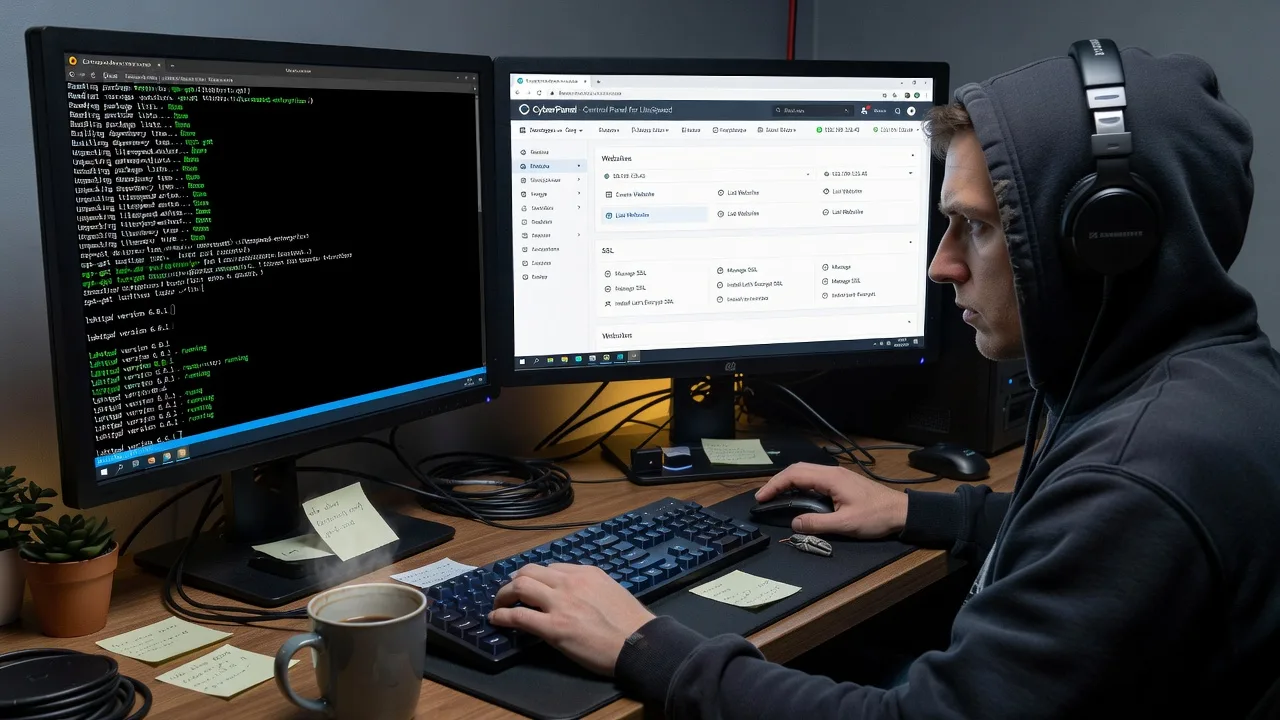
About this service
Get CyberPanel with LiteSpeed Enterprise installed and production-configured on DigitalOcean—remote delivery for teams that need speed, isolation, and a control panel that does not collapse under real traffic. Ideal for agencies, SaaS founders, and ecommerce operators who outgrew shared hosting and want a disciplined DO stack without guessing license keys, firewall rules, or LSCache quirks.
What You'll Get
- Clean CyberPanel install on DigitalOcean - Supported Ubuntu image, correct hostname/DNS prep, and a verified panel login on port 8090.
- LiteSpeed Enterprise activation - License bind, worker tuning for your droplet size, and confirmation that OpenLiteSpeed leftovers are not fighting the binary.
- SSL, domains & vhost hygiene - Let's Encrypt paths, force-HTTPS rules, and sane default vhost templates for WordPress or custom PHP apps.
- Firewall & SSH baseline - UFW/DO Cloud Firewall aligned so 80/443/8090/7080 work without leaving the droplet wide open.
- LSCache / PHP / Redis readiness - PHP handlers matched to your apps, optional Redis, and cache headers you can actually measure.
- Plain-English handoff - Credentials vault note, backup snapshot advice, and next-step checklist for your team.
Serving Remote & surrounds
This service is delivered fully remote worldwide for DigitalOcean projects—no fake local storefront. Demand spikes around product launches, Black Friday-style retail peaks, agency client migrations off cPanel, and SaaS teams leaving fragile one-click images. We work across time zones with secure SSH access and staged change windows.
- Digital agencies consolidating client sites onto isolated DO droplets with CyberPanel
- Ecommerce and membership brands preparing for seasonal traffic surges who need LiteSpeed Enterprise, not toy stacks
- Founders and IT leads who prefer remote pair-work plus optional on-site only where practical for their region
How We Work
- Step 1: Reach Out - Share droplet region/size, OS image, whether you already hold a LiteSpeed Enterprise license, and target apps (WordPress, Laravel, multi-site, etc.). We listen before touching production.
- Step 2: Tailored Plan - Fixed-scope quote: Basic install, Standard hardened production panel, or Premium with migration/tuning extras. Clear support path if your ops lead needs a guided walkthrough.
- Step 3: We Deliver - Remote SSH work: install, license, firewall, SSL, PHP/cache baseline, and smoke tests. Patient screen-share available when your team wants to learn the panel live.
- Step 4: Confirm & Follow-up - You verify logins and a test site. We leave notes, optional monitoring hooks, and a path for maintenance or a follow-up session.
Common Issues & How to Fix Them
These are patterns we see repeatedly on DigitalOcean + CyberPanel + LiteSpeed Enterprise builds—not generic hosting tips.
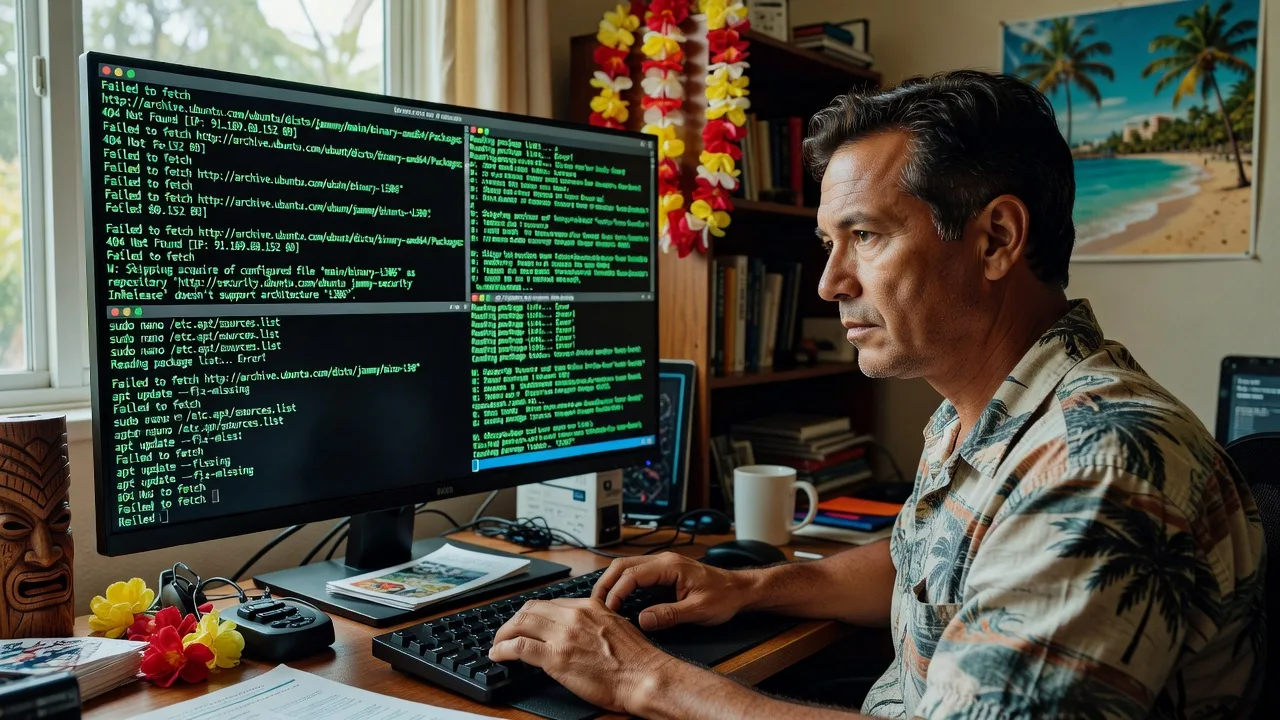
CyberPanel installs, but LiteSpeed Enterprise still behaves like OpenLiteSpeed (no LSAPI workers you paid for)
Usually the trial/serial never bound, or a partial OpenLiteSpeed package remains and the panel UI looks fine while throughput stays flat.
- Step 1: SSH in and run lshttpd -v and check whether the binary reports Enterprise. In CyberPanel, open LiteSpeed settings and confirm a serial/trial is present—not blank.
- Step 2: Register or re-bind the license from the LiteSpeed client portal to this droplet IP, then restart LiteSpeed cleanly from the panel (or service restart). Avoid mixing manual OpenLiteSpeed package installs on the same host.
- Step 3: Re-check lshttpd -v, hit a PHP info page, and confirm LSAPI/handler paths. Compare TTFB before/after on a cached vs uncached URL—Enterprise should show real worker headroom on the same droplet size.
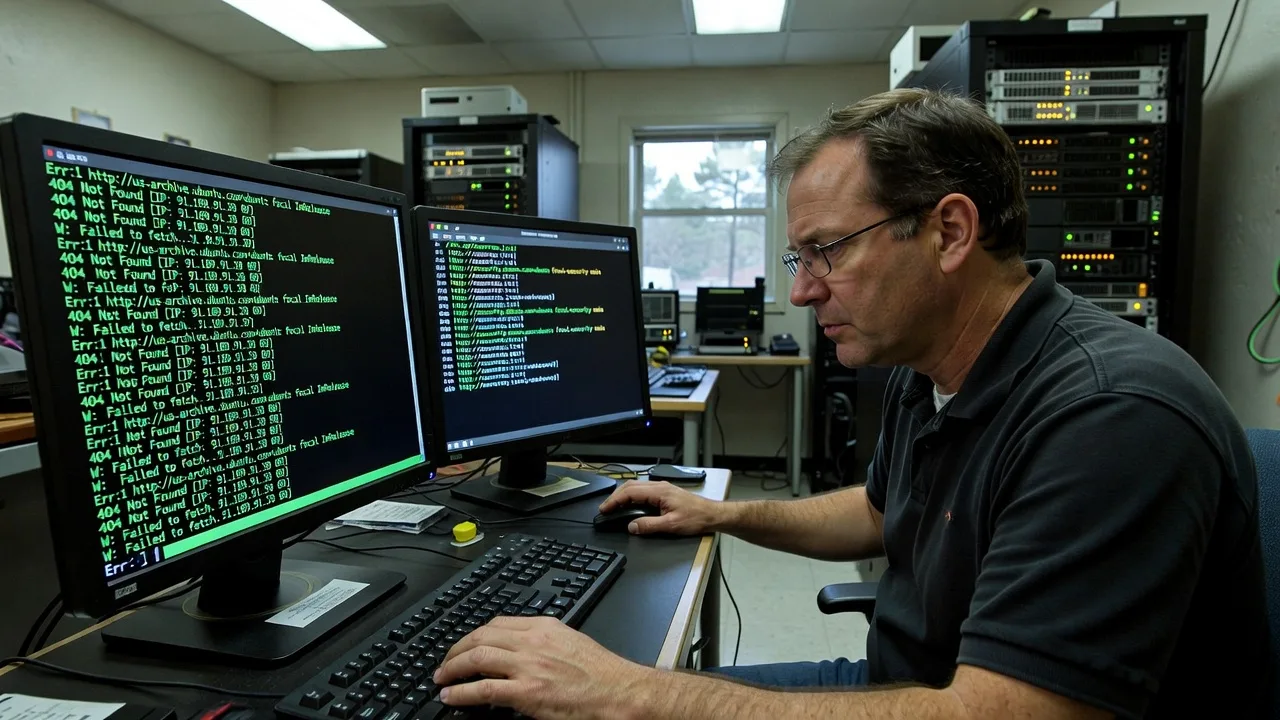
Panel unreachable on:8090 after a fresh DO droplet (or HTTPS to the panel fails)
DigitalOcean Cloud Firewall and UFW both block new ports by default; many installs also break when people force panel SSL before DNS A records exist.
- Step 1: From your laptop, test TCP to droplet_ip:8090. In DO Networking → Firewalls, allow 8090 (and 7080 if you use the LiteSpeed admin). On the droplet, check UFW status for the same ports.
- Step 2: Prefer HTTP panel access first until the hostname resolves. Only enable panel SSL after an A record points at the droplet and Let's Encrypt can complete HTTP-01. Do not point random Cloudflare orange-cloud proxies at 8090 during first boot.
- Step 3: Confirm you can log in, create a test website, and issue a site certificate on 443. If 8090 still times out, re-check both cloud firewall and host firewall—one open and one closed is the classic DO trap.
WordPress is live but LSCache does nothing (or you get 500s after enabling cache + Redis)
Common when PHP handler, Redis socket/host, and object-cache drop-ins disagree, or when a security plugin strips LiteSpeed headers.
- Step 1: In CyberPanel, note the site PHP version and whether Redis is running (redis-cli ping). In WordPress, confirm the LiteSpeed Cache plugin matches that PHP and that the server type reports LiteSpeed.
- Step 2: Enable LSCache at a conservative level first (public cache on, object cache only after Redis PONG). Fix Redis host to 127.0.0.1 or the correct socket; remove stale object-cache.php if it points at a dead Memcached instance from a previous host.
- Step 3: Load a logged-out page twice and inspect response headers for X-LiteSpeed-Cache: hit. If you still see miss/bypass, check exclude rules, WooCommerce cart cookies, and whether a WAF/plugin is forcing no-cache. Roll back object cache first if admin-ajax starts 500ing.
When DIY is not enough (urgent, unsafe, recurring, or burning time), book Fixwebnode for direct professional support—no freelancers, bidding, or marketplace noise.
Why Choose Fixwebnode
We deliver this stack ourselves as a direct provider: enterprise-grade remote Linux and panel work, explained in human language so your marketers and clinic/ops staff are not left decoding raw SSH output. You get fixed scopes, accountable changes, and a handoff that survives the next hire on your team.
- ✓ Hands-on CyberPanel + LiteSpeed Enterprise experience on DigitalOcean sizing and firewall realities
- ✓ Security-minded defaults—SSH posture, panel exposure, and SSL order of operations
- ✓ Dual-mode delivery: deep technical build plus patient walkthroughs for non-sysadmin stakeholders
Tools & Technologies
DigitalOcean Droplets & Cloud Firewalls, Ubuntu LTS, CyberPanel, LiteSpeed Enterprise, LSWS/LSAPI, Let's Encrypt, UFW, SSH/SFTP, MariaDB/MySQL, PHP-FPM/LSAPI handlers, Redis, WordPress + LiteSpeed Cache, DNS A/AAAA records, optional Cloudflare DNS-only cutovers, snapshot backups.
Perfect For
Agencies migrating client fleets off shared cPanel, SaaS and course platforms that need predictable PHP performance, and ecommerce operators preparing for campaign traffic on DigitalOcean. Also a fit when your internal champion is strong on product but needs a specialist to own the panel, license, and cache layer without turning the project into a multi-vendor bidding exercise. Remote worldwide; on-site only where practical.
Ready to lock in a clean CyberPanel + LiteSpeed Enterprise build? Go to fixwebnode.com.au/contact-support or chat with us to schedule remote delivery.
Choose a package
Remote CyberPanel install on a fresh DigitalOcean Ubuntu droplet with LiteSpeed Enterprise license bind and core port access verified.
Production-ready panel: SSL, hardened firewall baseline, PHP handlers, and LSCache-ready defaults for your primary site.
Full stack go-live: multi-site readiness, Redis/object cache path, performance pass, migration assist, and live walkthrough for your team.
FAQ
We deliver this service remotely worldwide over SSH and secure screen-share. You provide droplet access (preferred: temporary sudo user or break-glass credentials), region, and size. On-site work is only where practical and agreed separately—most CyberPanel and LiteSpeed Enterprise builds complete 100% remote.
You can bring an existing serial or purchase/trial through the LiteSpeed channel you already use. We bind and verify the license on your droplet IP during setup. If you only need OpenLiteSpeed, say so up front—this gig is scoped for Enterprise behaviour and worker capacity, not a silent downgrade.
Basic and Standard focus on panel, web server, SSL, and baseline performance. Premium includes migration assist and cutover support for agreed sites. We never force a marketplace-style handoff— we run the migration steps with you and confirm caches, SSL, and admin logins before DNS flips.
For a single busy WordPress or small multi-site, we typically start at 2GB RAM minimum and prefer 4GB+ when you enable Redis, page cache, and concurrent editors. Undersized 1GB droplets often thrash during panel updates and composer/plugin work. Share your traffic and site count and we will size honestly before install.